


Blog
How Nitrogen Prevents Oxidation in Laser Cutting (And Why It Matters)
Have you ever wondered why some laser‑cut parts look flawless while others show a dull, discolored edge?
Do you worry that oxidation might be affecting the strength and appearance of your pieces?
In this article, we’ll explore exactly how nitrogen protects the cut zone from oxidation, why that protection is crucial for quality and durability, and what practical steps you can take to get the most out of nitrogen laser cutting.
1. Why Oxidation Happens During Laser Cutting
When a high‑power laser melts or vaporizes metal, the molten pool is exposed to the surrounding atmosphere. The oxygen in the air reacts with the hot metal, forming oxides that appear as a dark, brittle rim. This oxidation can reduce tensile strength, alter electrical conductivity, and spoil the surface finish—especially on stainless steel, aluminum, and titanium.
2. How Nitrogen Acts as a Shield
Inert Protection. Nitrogen is an inert (or semi‑inert) shielding gas. By flowing a steady stream of nitrogen around the laser’s focal point, it pushes oxygen out of the cut zone. With oxygen displaced, the molten metal cannot react to form oxides, so the edge stays clean, bright, and strong.
Chemical Benefits for Specific Alloys
Stainless steel: Nitrogen can actually diffuse into the surface, a process called nitriding, which increases hardness and corrosion resistance.
Aluminum and copper alloys: Because nitrogen does not readily react with these metals at cutting temperatures, it prevents the formation of aluminum oxide (Al₂O₃) or copper oxide, both of which would otherwise cause porosity and discoloration.
3. The Step‑by‑Step Process of Nitrogen Laser Cutting
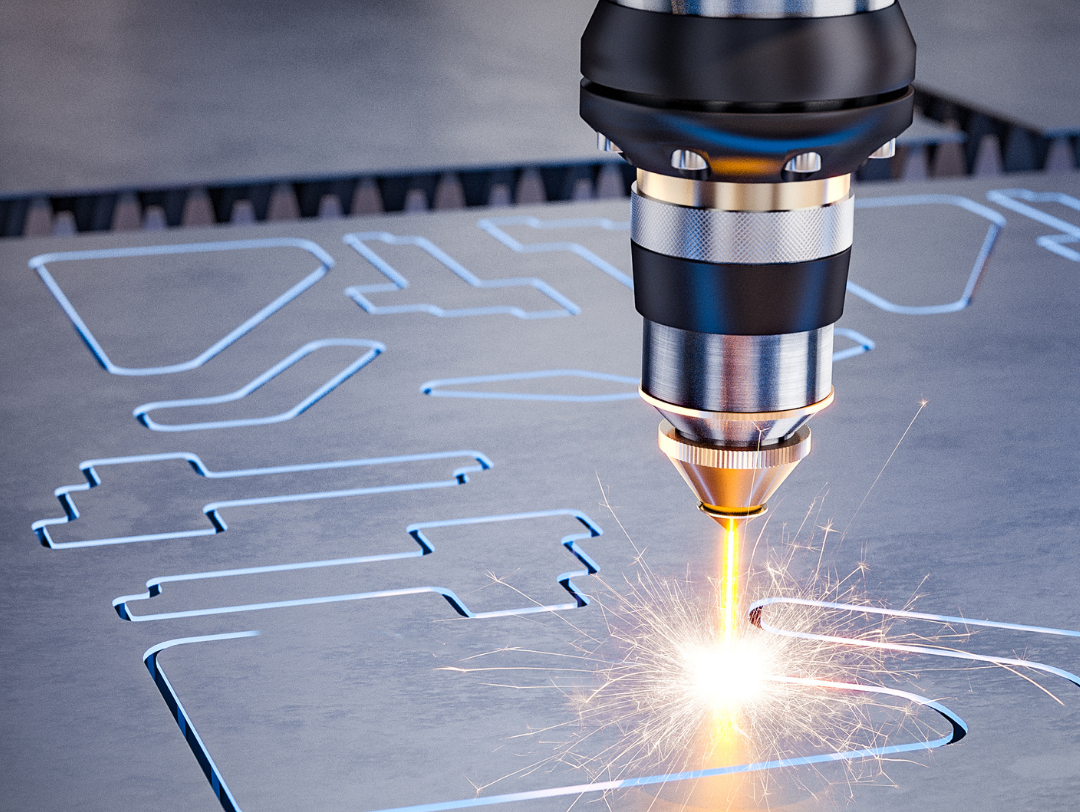
Gas Flow Setup – Nitrogen is delivered through a nozzle that surrounds the laser beam. The gas creates a protective blanket that isolates the molten pool from ambient air.
Laser Interaction – The laser concentrates its energy on the metal, melting it and forming a narrow keyhole. Nitrogen fills this keyhole, keeping oxygen out and maintaining an oxygen‑free environment.
Molten Metal Ejection – The pressurized nitrogen stream helps blow the molten metal out of the cut, reducing dross (the unwanted residue) and keeping the edge clean.
Rapid Solidification – As the metal cools under the nitrogen flow, it solidifies quickly. The short cooling time limits any residual oxygen from reacting, resulting in a smooth, oxidation‑free edge.
4. Why Choose Nitrogen Over Other Gases
Compared with oxygen: Oxygen actually encourages oxidation, producing a darker, weaker edge. Nitrogen, by contrast, eliminates that oxidation.
Compared with argon: Argon is completely inert and gives excellent edge quality, but it is significantly more expensive. Nitrogen offers a strong balance of inertness and cost‑effectiveness, making it ideal for high‑volume production on stainless steel, aluminum, and many other alloys.
5. Practical Tips to Optimize Your Nitrogen Laser Cutting Process
- Maintain proper gas pressure. For thin sheets (around 1 mm), a pressure of 4–5 bar is typical; thicker material may require 6–8 bar. Adjust the pressure to keep a stable nitrogen curtain without causing turbulence.
- Use a dedicated nitrogen supply. Moisture or oil contamination can reintroduce oxygen, defeating the purpose of the shield. A dry‑purge system helps keep the gas pure.
- Check nozzle alignment regularly. A misaligned nozzle creates uneven flow, allowing air to mix with nitrogen and potentially cause oxidation at the edges.
- Balance cut speed and power. Cutting too slowly generates excess heat, giving any stray oxygen more time to react. Cutting too quickly can lead to incomplete penetration. Find the sweet spot for your material thickness and laser power.
- Consider real‑time vision monitoring. Modern CNC laser systems can detect edge quality on the fly and automatically adjust nitrogen flow to maintain optimal protection.
6. Real‑World Impact: What Companies Are Seeing
A major automotive stamping plant recently replaced air shielding with nitrogen for 2 mm stainless‑steel brackets. The switch led to a 30 % reduction in edge re‑work because the parts no longer required post‑cut polishing to remove oxide discoloration. Additionally, tensile strength tests showed a 15 % improvement, directly linked to the cleaner, oxide‑free edges.
In the aerospace sector, a manufacturer of titanium skin panels adopted nitrogen laser cutting for its high‑precision components. The result was a completely oxide‑free surface that met the stringent finish specifications required for aircraft interiors, eliminating the need for costly secondary cleaning steps.
Unlock the Full Potential of Your Production Line with Nitrogen Laser Cutting
Ready to eliminate oxidation, boost part performance, and cut costs?
Reach out to our nitrogen generator specialists today to design a nitrogen laser cutting solution tailored to your material, thickness, and production volume.
Take the next step—contact us today to set up your own dedicated nitrogen supply.