

Blog
PSA Nitrogen Generators Explained: Choosing the Right System for Your Facility
For facilities that rely on nitrogen for production, packaging, purging, blanketing, laser cutting, laboratory equipment, or other industrial processes, a dependable nitrogen supply is essential. While traditional cylinders, dewars, and bulk deliveries have long been common, more facilities are turning to PSA nitrogen generators to produce nitrogen on-site.
But how does a PSA nitrogen generator work, and how do you know if it is the right solution for your facility?
In this article, we’ll explain how PSA nitrogen generators work, the benefits of producing nitrogen on-site, how PSA compares to membrane technology, and the key factors to consider when choosing a system for your facility.
What Is a PSA Nitrogen Generator?
A PSA nitrogen generator uses Pressure Swing Adsorption (PSA) technology to separate nitrogen from compressed air. Instead of relying on scheduled nitrogen deliveries, the system produces nitrogen on-site as it is needed.
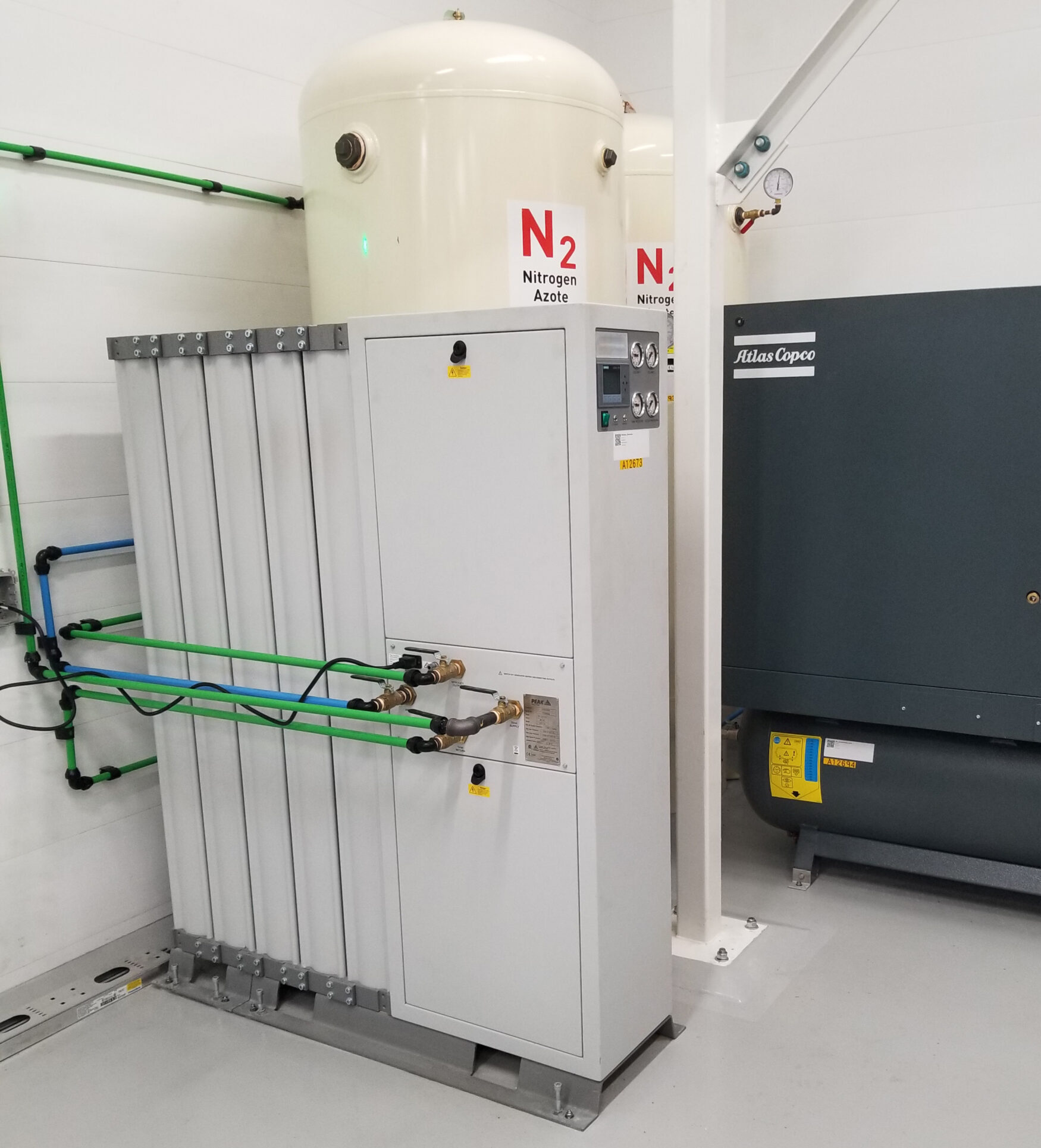
PSA systems use a specialized material called carbon molecular sieve (CMS) to separate oxygen and other trace gases from nitrogen. Compressed air enters one of the generator’s adsorption towers, where the CMS preferentially adsorbs oxygen while allowing nitrogen to pass through as the product gas. Once the CMS becomes saturated, the system switches towers. The first tower regenerates by releasing the trapped gases, while the second tower continues producing nitrogen.
How Does PSA Nitrogen Generation Work?
The PSA process can be broken down into a few straightforward steps:
1. Compressed air enters the system.
The process begins with a supply of properly treated compressed air.
2. Air passes through the carbon molecular sieve.
Inside the generator, CMS captures oxygen and other gases while nitrogen passes through.
3. Nitrogen is collected as product gas.
The separated nitrogen exits the adsorption tower and is directed to the facility’s application or storage system.
4. The CMS regenerates.
As one tower operates, the other depressurizes and releases the gases it has adsorbed.
5. The towers switch roles.
The system automatically alternates between the towers, allowing nitrogen production to continue.
The result is an automated, on-demand nitrogen supply that can be tailored to the facility’s required flow rate and purity.
Why Choose a PSA Nitrogen Generator?
For facilities with significant or consistent nitrogen requirements, generating nitrogen on-site can provide several advantages.
Reduce Dependence on Nitrogen Deliveries
Cylinders, dewars, and bulk nitrogen deliveries require ordering, scheduling, storage, and inventory management. An on-site generator can eliminate many of these logistical concerns by producing nitrogen where and when it is needed.
This can be particularly valuable for operations that use nitrogen continuously or have experienced delivery-related challenges.
Produce Nitrogen on Demand
Instead of storing large quantities of nitrogen, a generator allows your facility to produce its own supply as needed. This can give operators greater control over their nitrogen consumption and supply.
Meet High-Purity Requirements
PSA technology is generally suited to applications requiring nitrogen purity above 99.5%, with some systems capable of producing nitrogen at purities up to 99.999%.
The exact purity required depends on the application, so determining your facility’s oxygen-content specification is an important first step when selecting a system.
Support High-Flow Applications
PSA technology can also be used for applications requiring substantial nitrogen flow. System capacities range from smaller modular systems to high-flow units designed for demanding industrial operations.
Where Are PSA Nitrogen Generators Used?
PSA nitrogen generators can support a wide range of industrial and commercial applications.
Common uses include:
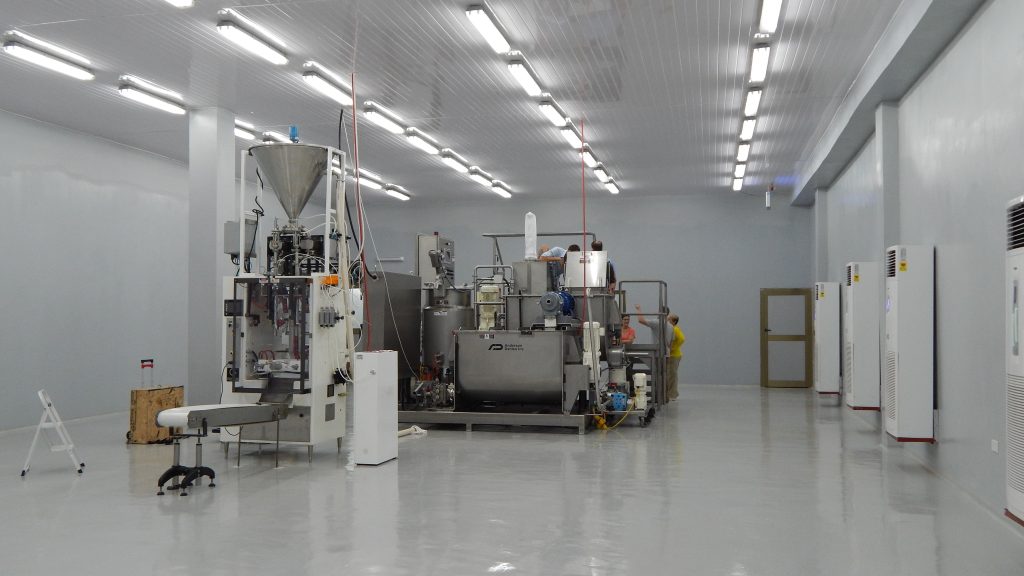
- Food packaging: Modified atmosphere packaging (MAP), controlled atmosphere storage, sparging, blanketing, and bottling
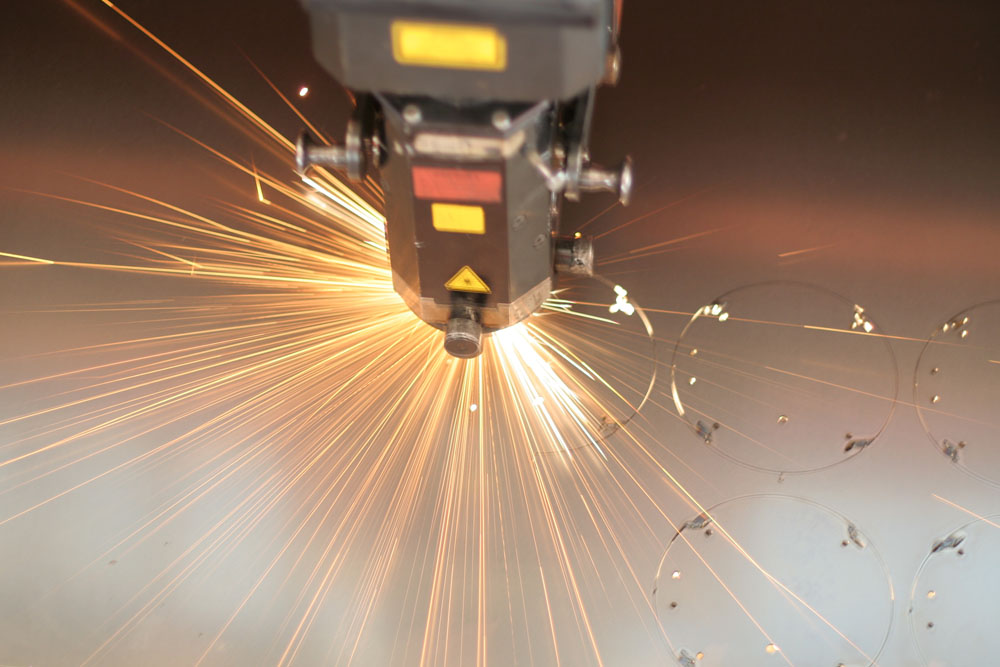
- Laser cutting: Providing high-purity nitrogen for cutting applications
- Laboratories: Supplying nitrogen to laboratory instruments and analytical equipment
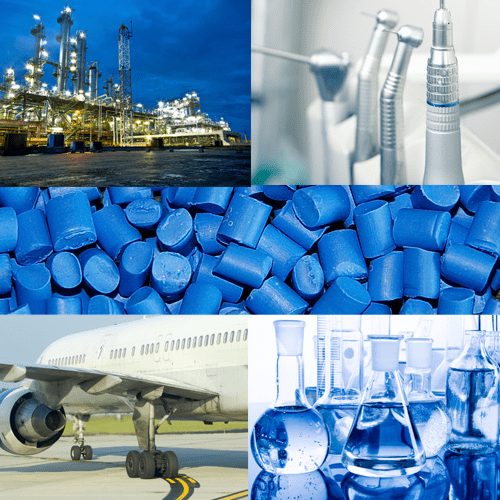
- Industrial manufacturing: Electronics, aerospace, heat treatment, aluminum extrusion, and rapid prototyping
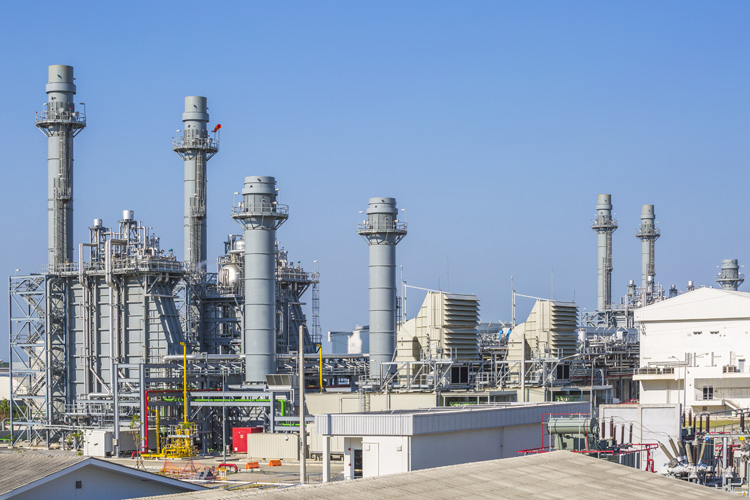
- Oil and gas: Instrumentation, purging, gas seals, blanketing, and laboratory applications
Because nitrogen requirements vary significantly between applications, the generator should be selected based on the specific process rather than simply the industry.
Find the Right PSA Nitrogen Generator for Your Application
Choosing a PSA nitrogen generator is ultimately about matching the technology to your facility’s specific requirements. Purity, flow, pressure, compressed-air availability, operating schedule, and application demands all play a role in determining the right system.
The good news is that you don’t have to determine those specifications on your own. A nitrogen generation specialist can evaluate your current nitrogen use and help determine whether PSA technology, membrane technology, or your existing nitrogen supply method makes the most sense.
Ready to find out whether on-site nitrogen generation is right for your facility? Contact us to discuss your application, flow rate, purity requirements, and potential system options.